The full WotAI live session archive is now public on the WotAI YouTube channel – every Mon/Wed/Fri call, every workflow walk-through, every Claude Code release breakdown. Free. No signup. No wall.
If you've ever wanted to see how production-grade n8n automations get built (without watching another 10-minute "what is n8n" intro), or you wanted a real engineer's take on the last 20 Claude Code releases, the back catalog is yours.
What's in the archive
The 759 members of the WotAI Skool community join three live sessions a week. The sessions are practical and unscripted – we build, debug, and answer real questions in real time. The catalog covers:
- n8n workflows from scratch – webhook patterns, error handling, scaling past 10K runs/month, every common integration
- Claude Code release breakdowns – the 2.1.x series, MCP integrations, prompt caching, agentic patterns, what actually works in production
- AI agent architecture – multi-agent orchestration, MCP servers, when to use sub-agents, prompt-design patterns that survive contact with real users
- Building WotAI in public – Echo (brand-first AI content), Flow (AI n8n workflow generator), the design decisions behind both
- Production case studies – 9,000-product print-on-demand pipeline, lead enrichment systems, content automation, the patterns we'd reuse and the ones we'd skip
- Member Q&A and debugging – real questions from real builders, real solutions worked through live
The archive is organized chronologically right now. Topic-organized playlists for n8n, Claude Code, and AI agents are coming over the next two weeks.
Why we're doing this
The sessions have been some of the strongest material we've shipped, and the people who'd benefit from them aren't all in the community yet. Opening up the archive lets the work do what good content should do – find the people it's useful to, on its own.
There's also a structural reason. The Skool community has grown from 12 members in early 2025 to 759 in May 2026, and the most consistent feedback has been the same thing: "I learned more in one live session than in a month of YouTube tutorials." That's the signal that the format works. Letting more builders find that signal, without having to take a leap of faith on a paid tier first, is the right call.
What this changes for Premium members
Nothing about the Premium tier value changes:
- WotAI Echo Starter ($49/mo standalone) – included
- WotAI Flow Starter ($19/mo standalone) – included
- Unlimited n8n workflow generation in Flow
- Private Discord channel for async questions
- Premium Toolkits – templates, prompt packs, frameworks
- All the same live-session access (Mon/Wed/Fri)
Premium has always been about the bundled product access plus the community layer. The math is the same as it ever was: $49/mo Premium gets you $68/mo of bundled product value, plus everything else. Opening up the recordings doesn't touch any of that.
What stays members-only
A few things still live behind the door:
- Premium Toolkits – templates, prompt libraries, and frameworks built specifically for the community
- Private Discord – async questions, faster responses, members-only channels
- Bundled product access – Echo and Flow at the Starter tier, included with Premium
- VIP small-group calls – weekly 10-person calls with direct access (VIP tier only)
Live sessions remain open to all Skool members (including the free tier), but the community layer – Discord, Toolkits, the people you build alongside – is what turns recordings into shipped projects.
How to use the archive
Three paths depending on what you're working on:
If you're learning n8n, start with the workflow architecture sessions and the print-on-demand case study breakdown. Those build the mental model for production-grade builds without forcing you through 50 hours of beginner content first.
If you're building with Claude Code, the release-breakdown sessions are the fastest way to catch up on the 2.1.x series. We cover what each release actually changed, what to update, and which fixes silently affect cost.
If you're designing AI agents, the architecture sessions on MCP, sub-agent orchestration, and prompt design are where most builders find the patterns that hold up in production.
For everything else, the WotAI Skool community is free to join. Live sessions run Mon/Wed/Fri – show up, ask questions, build alongside.
What's next
The archive going public is part of a broader push to make the WotAI material as findable as it is useful. Over the next month:
- Topic-organized YouTube playlists for n8n, Claude Code, AI agents, and WotAI product builds
- Channel trailer reflecting the open-archive structure
- Companion blog posts for the strongest sessions, with timestamps and code references
- Live sessions continue Mon/Wed/Fri on the Skool community with same-day public release
Subscribe to the WotAI YouTube channel to get notified when new sessions land. Get the WotAI weekly newsletter for the deeper-dive writeups on the work.
Three calls a week. Every session, public. The archive is open.
Stop guessing. Score your first workflow.
Score one workflow in about five minutes. Nine questions, a grade, and the specific gap holding it back - no call required.
Related Posts
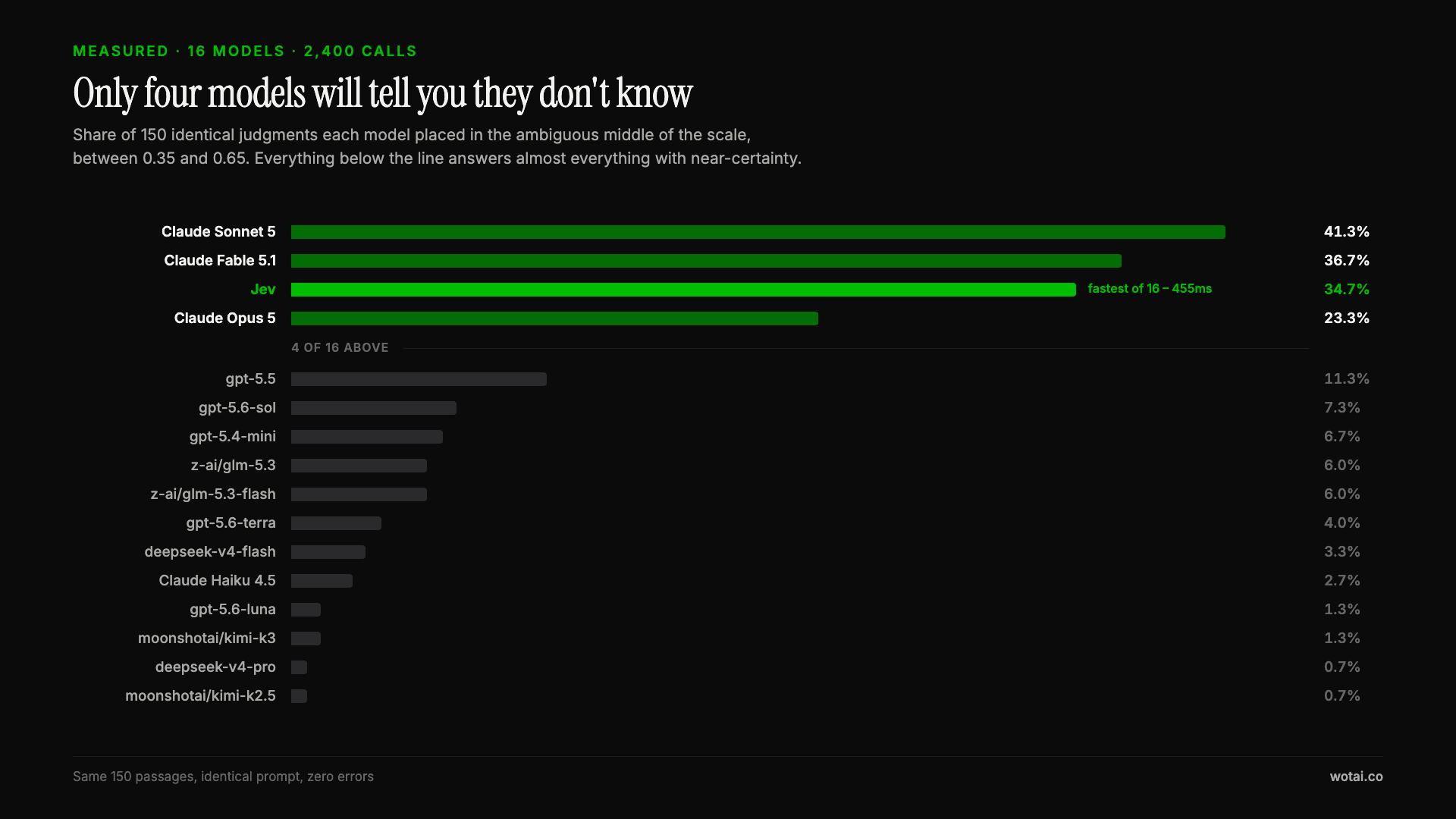
Jev is the only sub-second model that will tell you it doesn't know
Sixteen models on the same 150 passages, plus two more tasks. Only four of the sixteen will say they are unsure, and Jev is the only one of those four that answers in under a second.
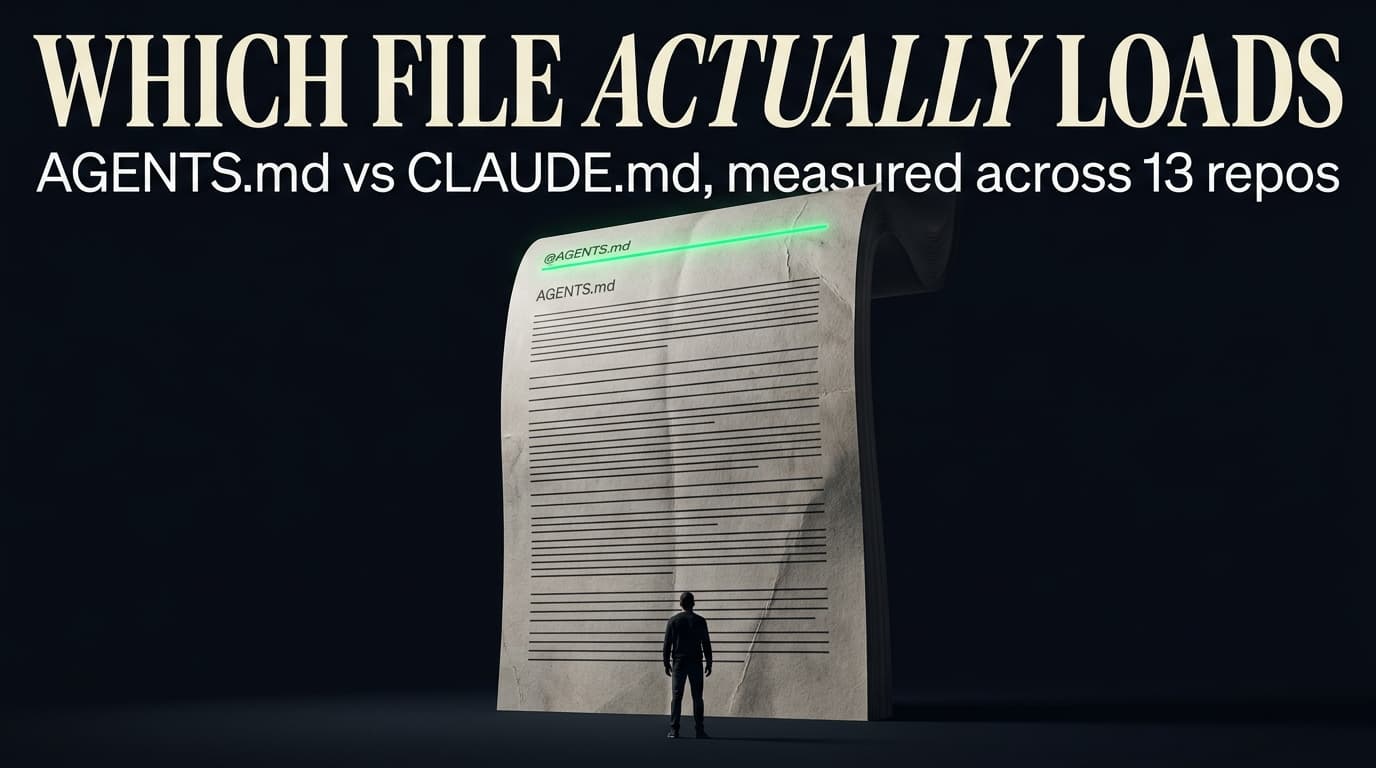
AGENTS.md vs CLAUDE.md: which file your agent actually reads
Both files in one repo, measured: load order, token cost, and which one wins when they disagree. Every guide explains the difference; this one runs the test.
Compound engineering vs Superpowers: what each one installs
Both Claude Code plugins installed and measured: 14 skills against 33, one SessionStart hook against none, and the six skills that collide when you run both.